

Let’s talk about breathe this quarter. Breathing is probably the most important thing you do each day that you most likely aren’t even aware of. But what happens when you do pay attention for a few moments? Do you find it easier to inhale or exhale? Do you notice your chest is more involved or maybe your lower ribs and belly? Is there a pause between each exhalation and inhalation? Maybe you don’t have a great relationship with your breath because you live with allergies, asthma, COPD, or sleep apnea. There are lots of things that can influence how we breathe, which in turn shapes our bodies.
The Average person breathes between 17,000 and 25,000 times per day. Each breath informs our nervous system of the status of our body. Shallow, rapid breathes tell our nervous system to be alert. Deep, slow breathes tell it that it’s safe enough to rest and digest. While it may seem like an easily overlooked and automated movement, it is unique because we have the ability to take control of it when we choose (for example, when we sing or speak).
This is why breath is the primary consideration of the Rolfing 10 series, starting with “freeing the breath” in session 1. We seek to create a structure that is adaptable, starting with the ability to adjust our breathing pattern when necessary. Fellow Rolfer, Lael Katharine Keen, puts it this way, “A healthy capacity for breath involves a structure, both physical and psycho-biological, that is adaptable and able to embrace all kinds of breathing and multiple internal states. On the other hand, an adaptable breathing pattern will create a structure that is flexible and fluid, able to adjust easily to different necessities for oxygen and different levels of activity.” This is a great example of Ida Rolf’s quote, “Form and function are a unity, two sides of one coin. In order to enhance function, appropriate form must exist or be created.”
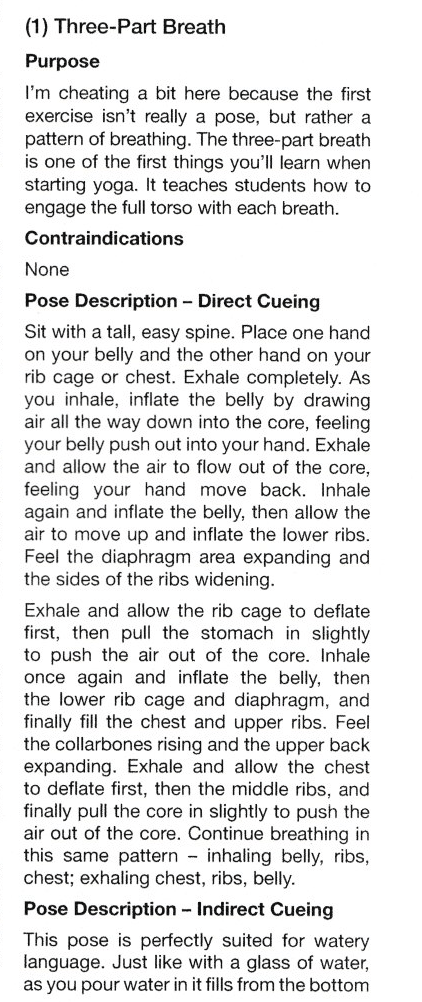
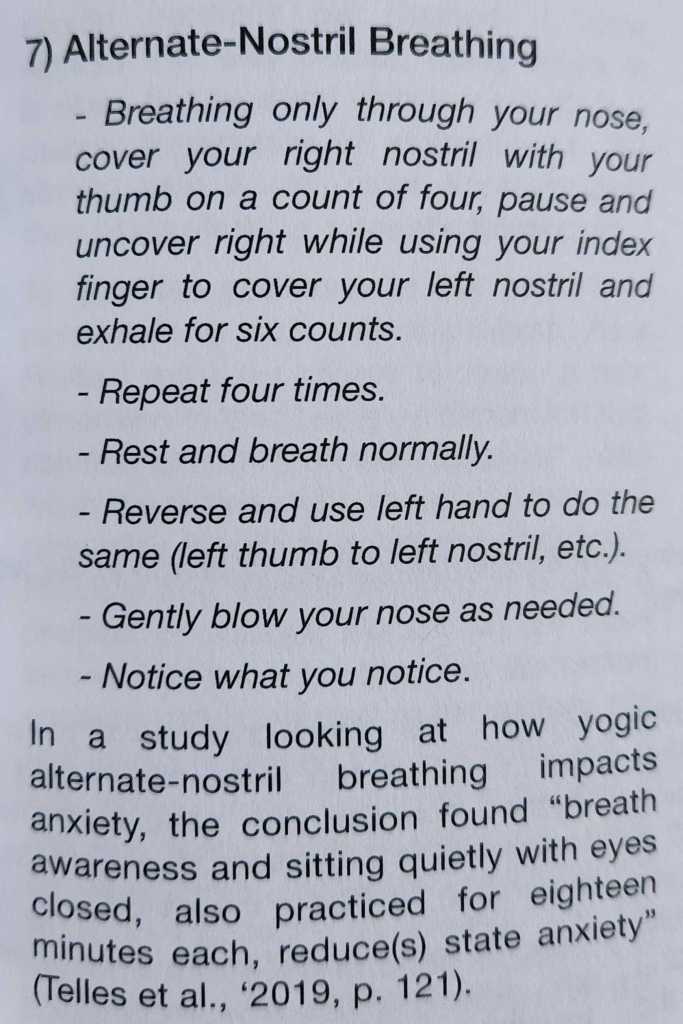
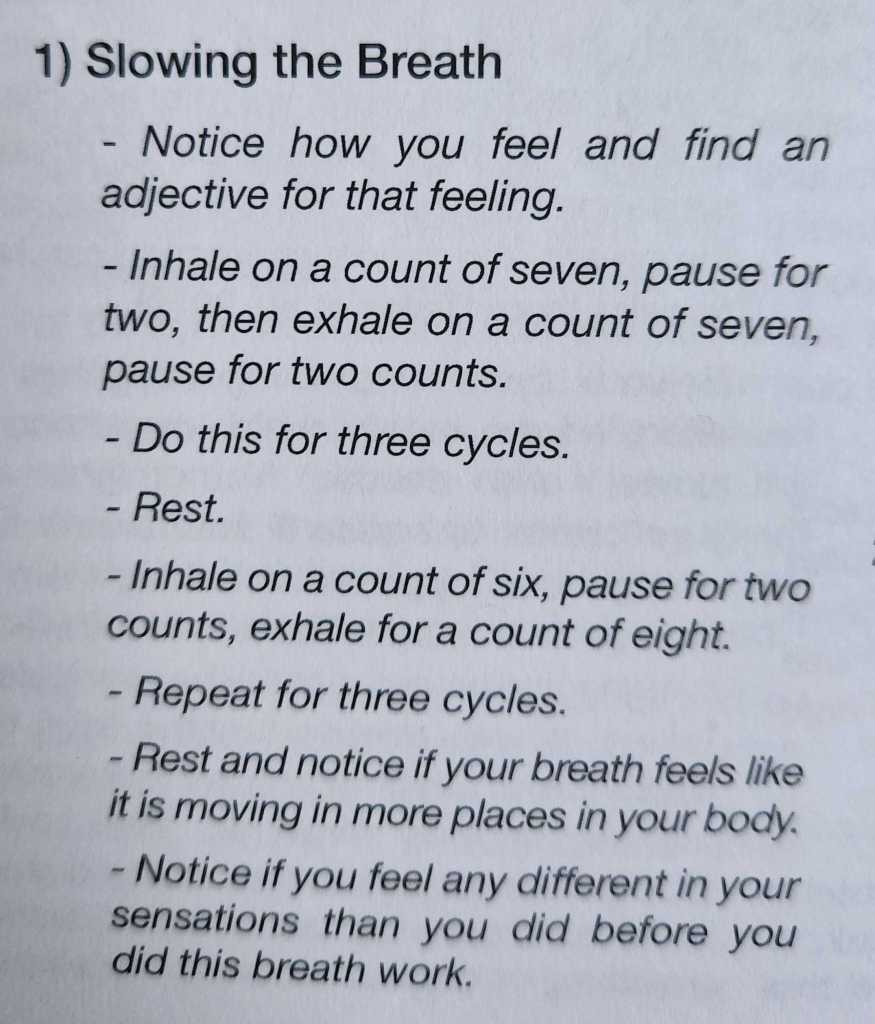
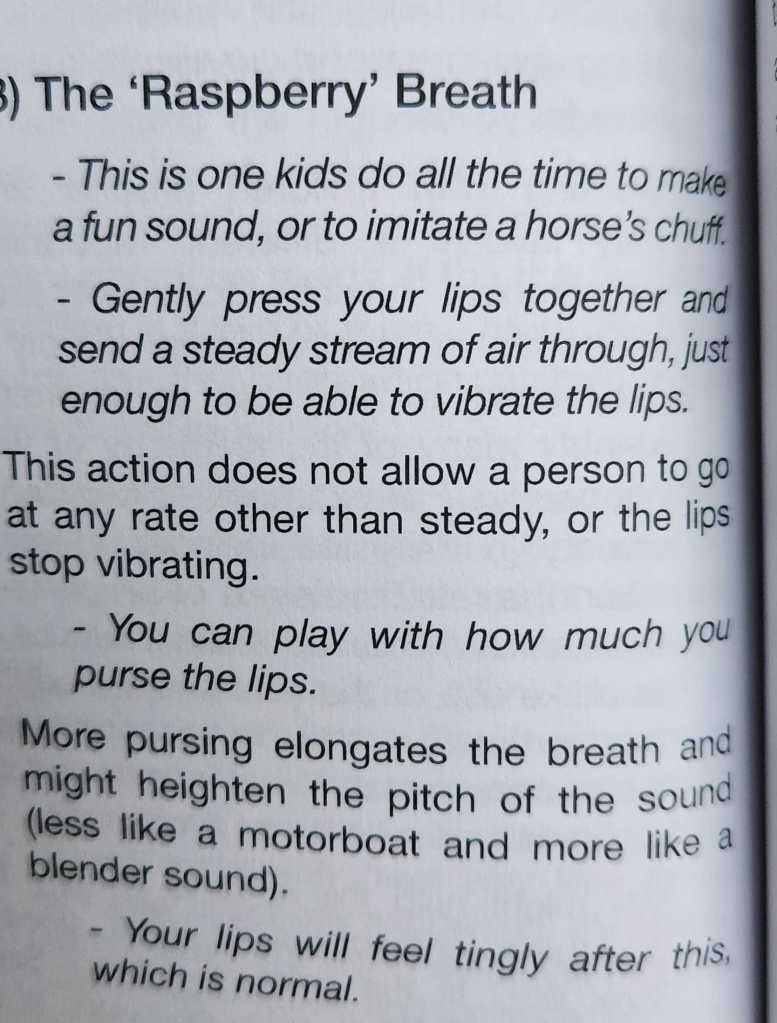
So how do we influence things for the better? Besides manual therapies like Rolfing Structural Integration, there are many things we can do on our own to create new breathing patterns and let go of ones that are no longer serving us. It’s important to remember that inhibitions can be from past traumas (say you suffered from severe asthma attacks as a child – your brain may be afraid to let you fully exhale), so be sure to be patient with yourself and not force things. Engage your curiosity as you explore various interventions with your breath. I’ll share a few of my favorites below. As the holidays approach, I’m sure we could all use a little time to slow down, focus on our breath, and practice some self-care. Enjoy, happy holidays!
 Dynamic Approach Bodywork